
The Central Bank of the Republic of Türkiye put its residential property price index at 227.1 in May 2026, 1.7% above April. Year on year the index rose 26.6%, yet once inflation is taken out the same figure turns into a 4.3% decline. That gap is the whole story of the current market: housing climbs in lira and corrects in hard currency. A buyer holding euros pays less per square metre than a year ago, and the budget part of the Antalya coast is where that discount converts into a deal most easily.
What the index actually shows
Nominal growth of a quarter in twelve months looks dramatic until it is set against Turkish inflation. In real terms the index has been sliding for several quarters, which means the lira price tag runs ahead of the currency value of the asset. For a resident earning in lira that is an expensive market. For a non-resident settling in euros it is the opposite: the same flat costs fewer euros than it did a year ago, and the discount is largest at the bottom of the price range, where competition among developers is sharpest.
Fewer foreign buyers, larger cheques
Around 1.7 million homes changed hands in Türkiye during 2025, of which 21,534 went to foreign buyers — 1.3% of the market. Between January and May 2026 foreigners took 7,068 units, fewer than a year earlier, while the money they committed rose about 35% to 983 million dollars. In other words the crowd has thinned and the average cheque has grown. Istanbul, Antalya and Mersin remain the three destinations foreign buyers return to, and Antalya province alone has sold more than 60,000 homes to foreigners over the past five years.
Where the entry point sits today
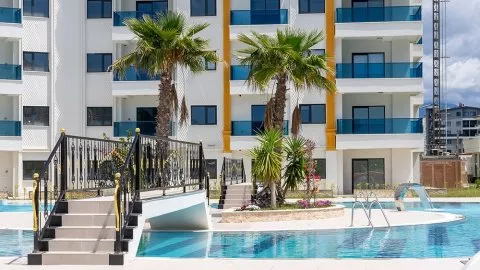
On Cheap-Property-Turkey.com the whole catalogue of 65 units from developer Yekta Homes stays under 150,000 euros. Sales at Yekta Sungate Residence and Yekta Blue V Residence open at 139,000 euros, and the balance is split into 24 or 36 instalments with no bank in the scheme. The finish is part of the price: kitchen units, sanitary ware, internal doors and double glazing are fitted by the company, so no repair budget is needed once the keys change hands.
The arithmetic is unusually simple this year. The lira market grows, the currency market corrects, and the window between the two is exactly what a euro buyer is paid for entering now rather than later.